About HomeSafe
Since 1979, HomeSafe has been a nationally accredited nonprofit organization dedicated to protecting Palm Beach County’s and South Florida’s most vulnerable residents – survivors of life-altering abuse, neglect, abandonment and domestic violence.
Through our results-driven approach, HomeSafe has grown into a leading provider of prevention and intervention services, serving more than 15,000 infants, children, young adults, and families each year.
Our Mission
Creating safer, more productive lives for infants, children, young adults and families.
Our Why
We envision a world in which every person can live a safe, productive life free from trauma.
HomeSafe is a safety net and safe harbor to some of the most vulnerable children and families in our community, and our programs operate on a continuum of care, serving infants through adulthood. Our goal is to prevent child abuse before it starts, and to provide our children and families with the highest level of compassionate care, so that they can build a brighter path forward.
Because of the support of our community, HomeSafe’s children, young adults and families are building resilience and restoring hope for their future.
HomeSafe Programs
Healthy Beginnings Entry
Growing Smart
Social-Emotional Supports
Pond Place
Our History
Founded in 1979 as the “Council on Abuse and Neglect of Palm Beach County, Inc.,” HomeSafe began as a group of concerned citizens working to prevent child abuse, spread awareness, and strengthen community support.
In 1980, the program “The Children’s Place” became operational with the help of the Children’s Home Society, with a six-bed program offering daytime respite care for young children.
In 1983 and under new leadership, the agency began accepting children for overnight stays with the help of the United Way Community Chest and Health and Rehabilitative Services (HRS).
From 1984 to 1987, the program continued to operate, serving children and families in the West Palm Beach area at a location on Hibiscus Street.
In 1988, the agency moved its location to 2309 Ponce de Leon Avenue, and purchased three small homes which were converted into offices and a living space for children.
In 1989, the agency opened Connor’s Nursery, the first shelter in the entire state of Florida to exclusively serve children with AIDS, or who are HIV positive.
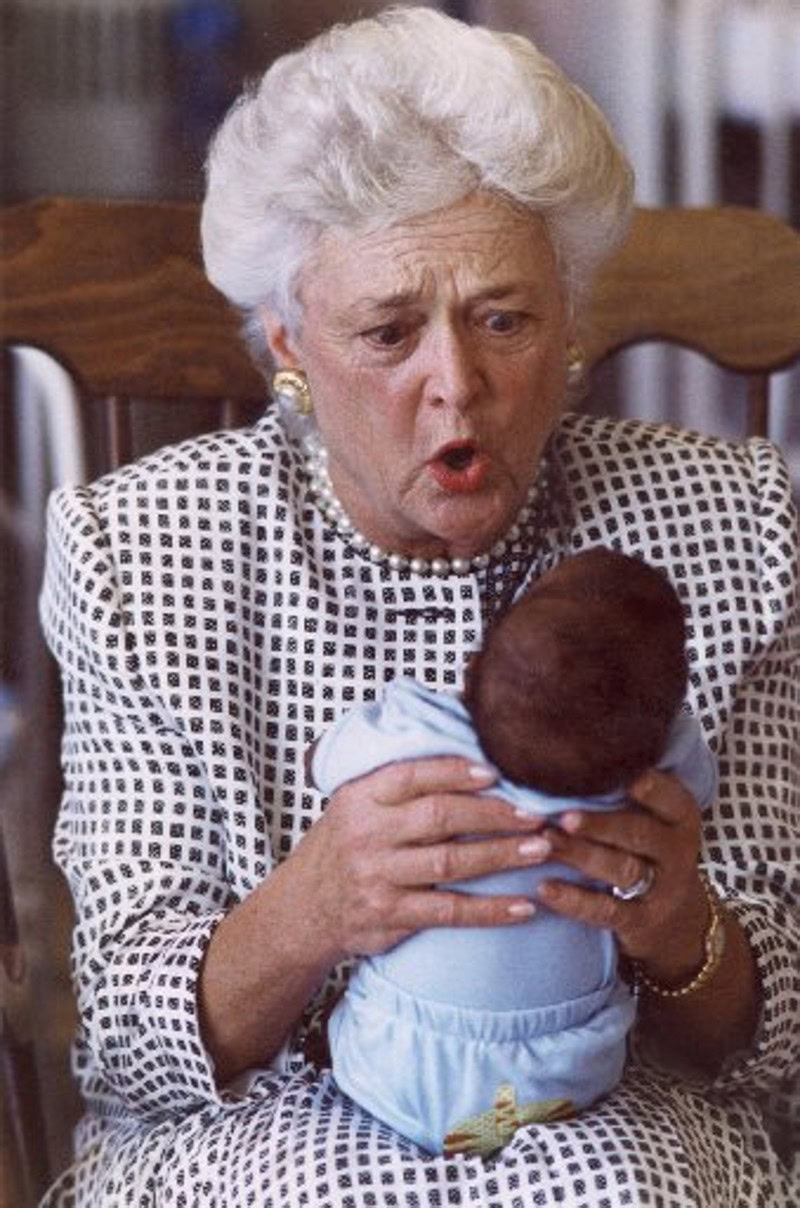
In 1990, former First Lady Barbara Bush visited Connor’s Nursery in West Palm Beach and broke a significant barrier at the time by holding a baby afflicted with HIV.
In 1991,
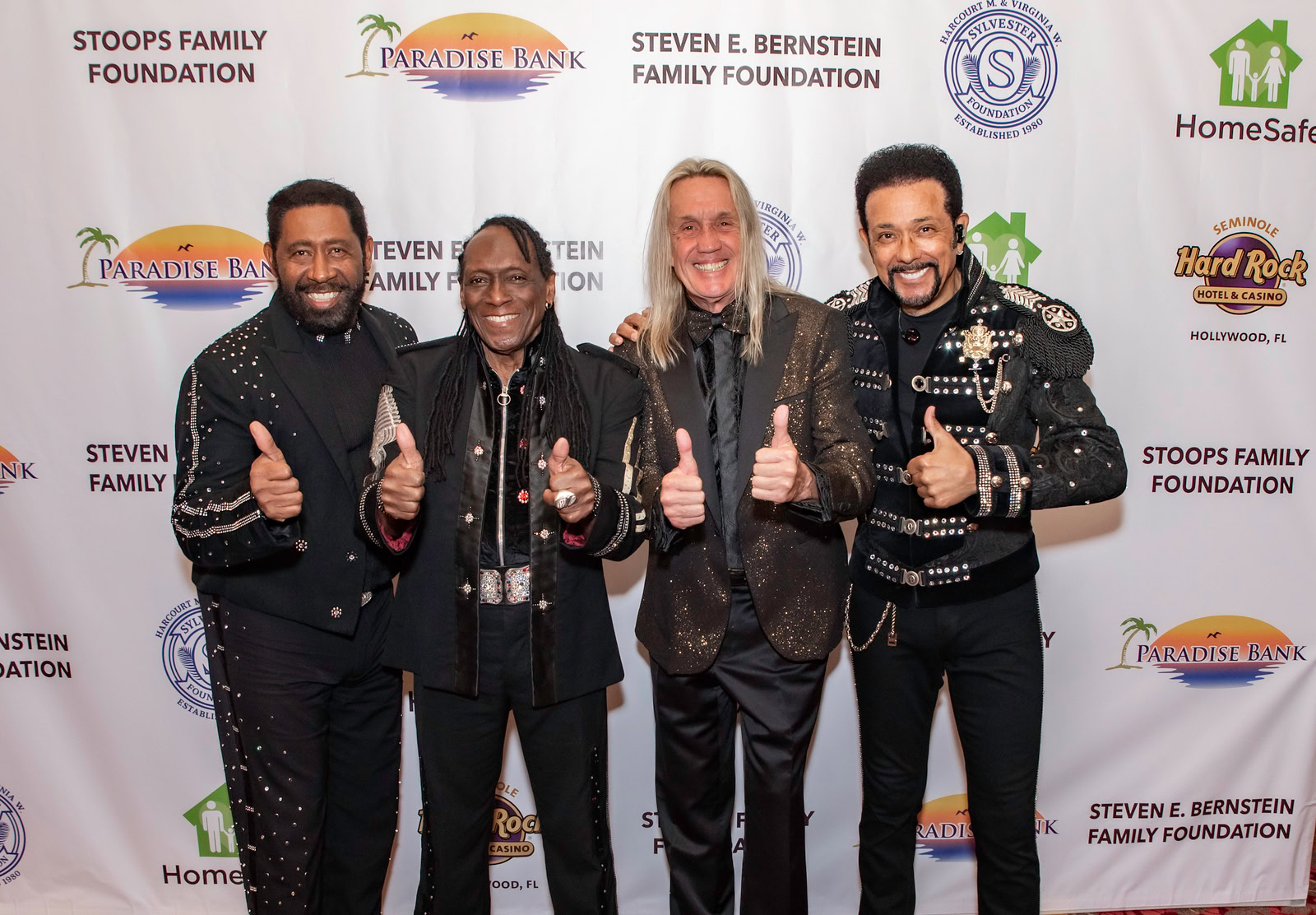
- Muhammad Ali supported the agency by holding another young child who had tested positive for HIV during a period of time when the disease was largely misunderstood. Then in 2000, Muhammad Ali continued his support for HomeSafe by attending our Classic Rock & Roll Party.
- The agency expanded its West Palm Beach campus to include the “Family Cottage and Sibling Shelter,” a group home providing temporary housing for children whose parents are in rehabilitative treatment.
In 1992, The Council on Child Abuse and Neglect of Palm Beach County, Inc. merged with Connor’s Nursery, Inc. and formally became known as The Children’s Place and Connor’s Nursery, Inc.
From 1993 through 1994, the Junior League of Boca Raton took on the project of opening a twelve-bed shelter for abused children just north of Yamato Road at 680 Ipswich Street. Opening with the help of a Community Development Block Grant from the City of Boca Raton, the new campus was named “Children’s Place South.”
In 1995, Connor’s Nursery expanded by eight beds, adding the Connor’s II respite program.
In 1996, a two-story administration building was built to accommodate the agency’s growth at 2309 Ponce de Leon Ave.
1998 was an explosive year of growth and positive change. While merging with Home Safe of Palm Beach County, Inc., the agency:
- Began serving abused children from ages 10 through 17.
- Opened three additional group homes and a visitation center.
- Started providing foster home services.
- In collaboration with the Office of the State Attorney (15th District), began operating SafetyNet, a comprehensive and year-round program providing immediate intervention and prevention services to victims of domestic violence and their children.
In 1999, the agency’s name changed from The Children’s Place and Connor’s Nursery, Inc. to our current legal name, The Children’s Place at Home Safe.
In 2000, a capital campaign was launched to build a replacement campus for the aging West Palm Beach location.
In 2001, the agency executed a land swap with the City of West Palm Beach for ten acres of vacant land on Haverhill Road in return for the 2.3 acres on Ponce de Leon Ave. This site was named the Sylvester Family Campus.
In 2002, renovations began on two buildings adjacent to the Children’s Place South in Boca Raton. The added capacity of an additional eight beds allowed for two sibling group homes. The expansion also provided for children of all ages to be housed together, eliminating the possibility of further separation upon being taken into state custody.
In 2004, the agency took a bold step in opening the first two Specialized Therapeutic Group Care Homes in Palm Beach County, a high level of therapeutic care for children in foster care who had endured significant trauma. The homes opened with the capacity to serve eight girls and six boys.
In 2005, the Connor’s Nursery program successfully came to an end due to advances in medical care for those afflicted with HIV. Today, those children are mainstreamed and continue to live normal, productive lives.
In 2006, construction was completed on the Sylvester Family Campus at Haverhill. Both the Specialized Therapeutic and Enhanced Group Homes for boys increased their capacities on the new campus to serve a total of 24 boys.
In 2007, the agency began the transition from providing shelter care services to a greater focus on specialized therapeutic group care services.
June 30, 2008, marked the last day the agency offered shelter care services.
In 2009, the Healthy Beginnings Program was launched by the Children’s Services Council of Palm Beach County, with HomeSafe becoming the exclusive entry agency for children entering the system between the ages of birth and five. The agency also added four new Healthy Beginnings locations across Palm Beach County to meet the demand for prevention services.
In 2010, the agency began providing services through another Healthy Beginnings program called Growing Smart. This expansion provided developmental surveillance for families with children, ages 0-2, and assisted parents with identifying possible developmental and/or behavioral concerns that may otherwise have eluded early detection.
In 2011:
- For clarity and ease, the agency began to go by the name HomeSafe.
- HomeSafe created the Life Skills program to help at-risk youth prepare to become self-sufficient at 18 years old.
- Helping to realize additional cost savings and enhance staff synergies, HomeSafe relocated two Healthy Beginnings locations to existing HomeSafe-owned properties, including the Simon C. Fireman Campus (Lake Worth) and Bernstein Family Foundation Campus (Boca Raton).
In 2013, HomeSafe added the Outreach team to the Healthy Beginnings Program, to spread awareness about the Healthy Beginnings system of care and to connect with childcare centers throughout Palm Beach County.
In 2016, HomeSafe created a new program, called Pond Place, serving young adults, ages 18 to 23, who had aged out of foster care and needed life skills support, educational resources, community connection, mentorship, and safe, affordable housing to continue their education and safely transition into adulthood. Pond Place opened in November 2016 on the new Bernstein Family Foundation Independent Living Campus in Palm Springs, offering 11 one-bedroom apartments.
In 2017:
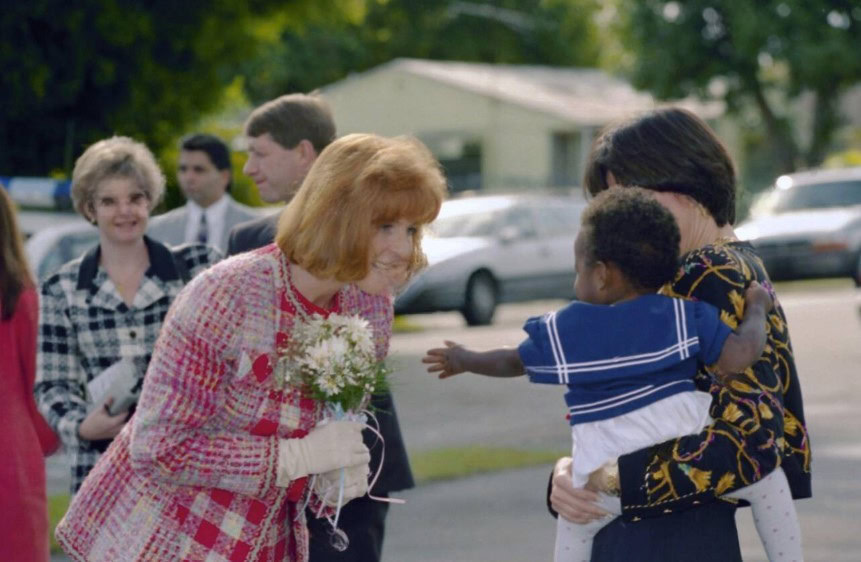
- In April, First Lady Melania Trump visited HomeSafe’s Lake Worth campus to spend time with our girls and learn more about the impact of our life-saving programs, bringing more awareness to our mission.
- The Haverhill campus was sold, and proceeds from the sale were used to purchase two new properties in West Palm Beach, and to build new trauma-informed residential campuses for traumatized foster youth.
In 2021:
- In March, HomeSafe embarked upon a transformative $15 million Healing the Hurt capital campaign to build or reconstruct all four residential campuses across Palm Beach County and to grow the endowment.
- In May, HomeSafe opened the Sylvester Family Foundation West campus at Lyons Road in West Palm Beach to provide a safe, healing home and enrichment center for twelve girls in the foster care system who had experienced unimaginable trauma.
- In October, HomeSafe hosted a dedication ceremony for the Stoops Family Foundation Residential Cottage at the Sylvester Family Foundation West campus, honoring Aggie and Jeff Stoops and their children for their $5,000,000 commitment to the agency. This transformational gift helped launch HomeSafe’s capital campaign, supported the construction of our new campuses, and significantly grew our endowment.
In 2022:
- In March, during the Bernstein Family Foundation Campus Rendering Unveiling event, The Harcourt and Virginia W. Sylvester Foundation announced a $1,500,000 gift to the campaign, supporting construction of the new campuses and building up our endowment.
- In August, HomeSafe opened a remodeled and expanded eight-bed home on the Simon C. Fireman Campus in Lake Worth, offering each girl her own private bedroom.
In 2023, the Sylvester Family Foundation North Campus in West Palm Beach opened as a third safe and welcoming home environment for 12 teenage boys who had endured a childhood marked by trauma.
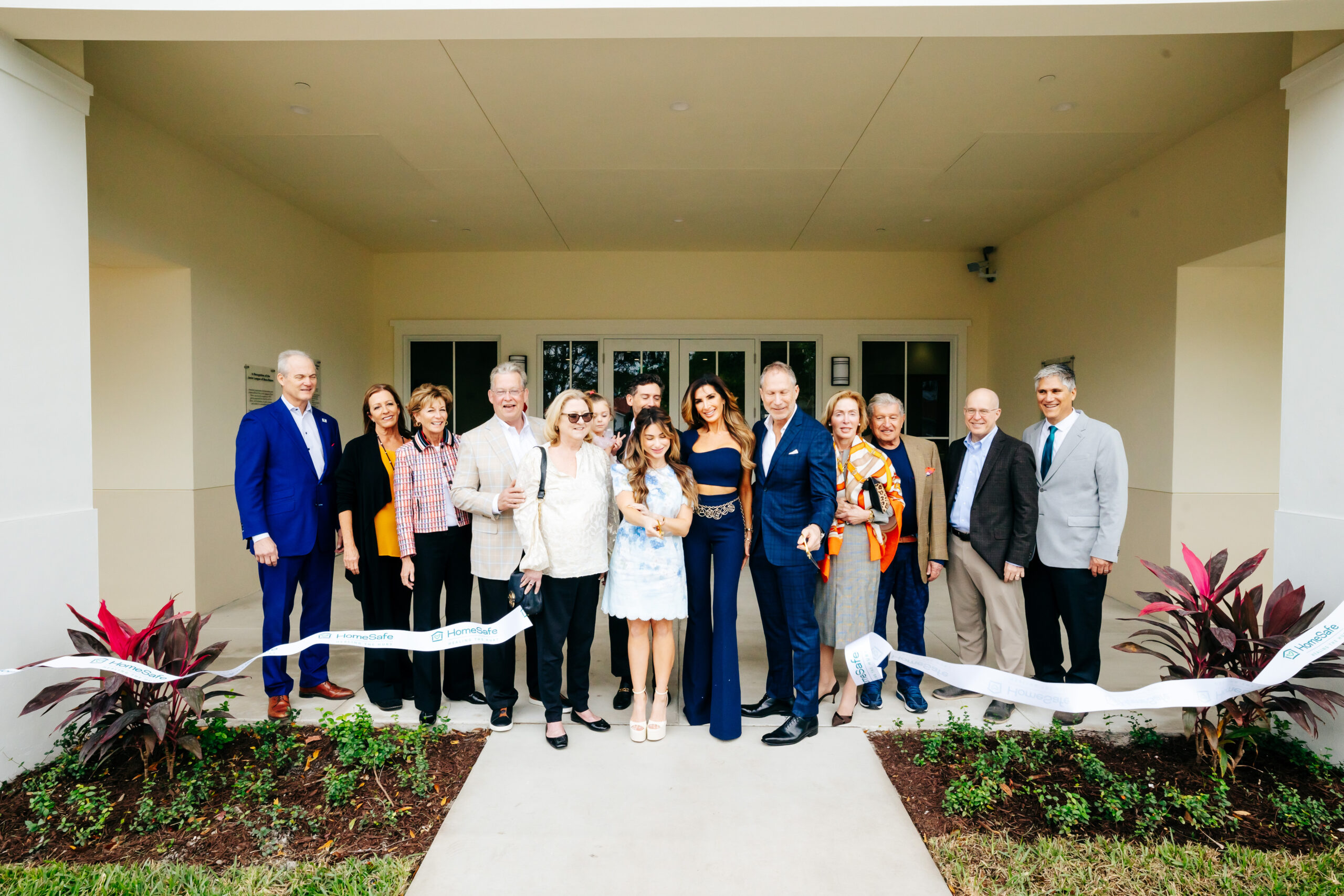
In December 2024, the Bernstein Family Foundation Campus in Boca Raton celebrated the opening of its new residential cottage, Mary Alice Fortin Foundation Enrichment Center, and Leslie L. Alexander Foundation Healthy Beginnings Center at a ribbon cutting event. The new campus offered 12 girls their own bedroom and bathroom, and a safe, stable home environment.
In that same month, thanks to the generosity of our community and their trust in our mission, the capital campaign to build four new trauma-designed group homes and to build up HomeSafe’s endowment, was completed—allowing us to enhance our therapeutic programming and serve up to 44 children in foster care at a time.
In 2025, as a part of HomeSafe’s strategic plan to continue enhancing our programming and meeting the increasingly complex needs of our kids, we launched a new Art & Music Therapy program for children in both our Residential and SafetyNet programs.
In 2026, in partnership with Children’s Services Council of Palm Beach County, HomeSafe launched an Early Childhood Social-Emotional Supports program, working in childcare centers to support the emotional well-being of children, families, and educators.